
Introduction
Regular oil changes are an essential part of car maintenance. They help to keep your engine running smoothly and can extend the life of your vehicle. In this article, we will discuss the importance of regular oil changes and provide a comprehensive guide to help you understand when and how to change your car’s oil. We will also cover common mistakes to avoid and provide tips for disposing of used oil safely.
Understanding the Importance of Regular Oil Changes
Regular oil changes are necessary for optimal car performance and longevity. Oil plays a crucial role in lubricating and protecting the engine’s components. It helps to reduce friction between moving parts, preventing wear and tear. Over time, oil can become contaminated with dirt, debris, and other impurities, which can affect its ability to lubricate effectively. Regular oil changes ensure that fresh, clean oil is circulating through the engine, providing maximum protection.
Signs Your Car Needs an Oil Change
There are several signs that indicate it’s time for an oil change. One common sign is the appearance of a “check engine” light on your dashboard. This light can indicate a variety of issues, including low oil pressure or a need for an oil change. Another sign is the presence of dark, dirty oil on the dipstick when you check your oil level. This indicates that the oil is no longer clean and should be changed.
Ignoring these signs can lead to engine damage. When oil becomes dirty and contaminated, it loses its ability to lubricate effectively. This can result in increased friction between moving parts, leading to premature wear and tear. Over time, this can cause serious damage to the engine and result in costly repairs.
Choosing the Right Type of Oil for Your Car
There are several different types of oil available for cars, including conventional, synthetic, and high-mileage oils. Conventional oil is the most common type and is suitable for most cars. Synthetic oil, on the other hand, is designed to provide better performance and protection in extreme temperatures and high-stress conditions. High-mileage oil is specifically formulated for older cars with higher mileage.
To determine which type of oil is best for your car, you should consult your owner’s manual. It will provide specific recommendations based on your car’s make, model, and year. It’s important to follow these recommendations to ensure optimal performance and protection for your engine.
How Often Should You Change Your Car’s Oil?
The recommended oil change intervals vary depending on the type of car you have. In general, most cars require an oil change every 3,000 to 5,000 miles or every three to six months, whichever comes first. However, newer cars and those that use synthetic oil may be able to go longer between oil changes, up to 7,500 miles or even 10,000 miles.
It’s important to note that driving habits and conditions can affect oil change frequency. If you frequently drive in stop-and-go traffic or in extreme temperatures, your oil may need to be changed more frequently. Additionally, if you frequently tow heavy loads or drive in dusty or dirty conditions, your oil may become contaminated more quickly and require more frequent changes.
The Tools You Need for an Oil Change
If you decide to change your car’s oil yourself, there are a few tools you will need. These include an oil filter wrench, a drain pan, a funnel, a socket set, and a new oil filter. It’s important to have the right tools for the job to ensure that the oil change is done correctly and efficiently.


Step-by-Step Guide to Changing Your Car’s Oil
Changing your car’s oil can be a relatively simple process if you have the right tools and follow the correct steps. Here is a step-by-step guide to help you through the process:
- Park your car on a level surface and engage the parking brake.
- Locate the oil drain plug underneath your car. Place the drain pan underneath the plug to catch the old oil.
- Use a socket set to remove the drain plug and allow the old oil to drain completely.
- While the oil is draining, locate the oil filter and use an oil filter wrench to remove it.
- Once the old oil has finished draining, replace the drain plug and tighten it securely.
- Apply a thin layer of oil to the rubber gasket on the new oil filter, then screw it onto the engine by hand.
- Use an oil filter wrench to tighten the new oil filter until it is snug.
- Locate the oil filler cap on top of the engine and remove it.
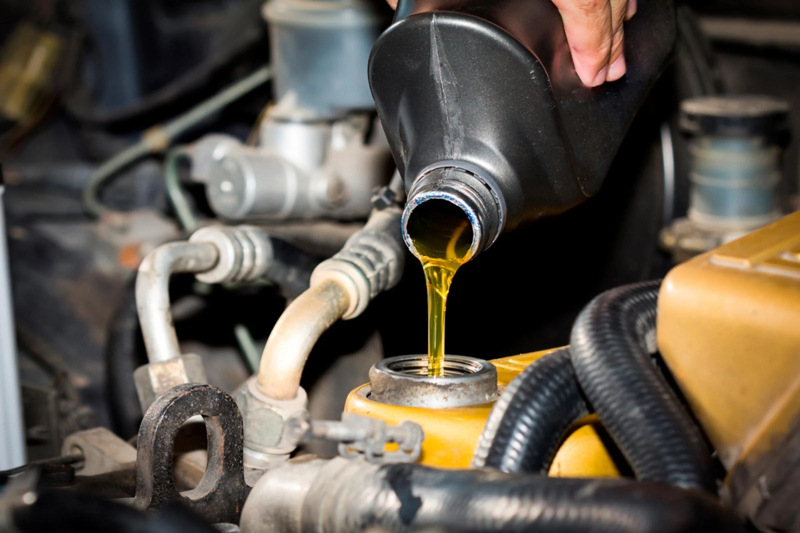
- Use a funnel to pour the recommended amount of new oil into the engine.
- Replace the oil filler cap and start the engine. Let it run for a few minutes to circulate the new oil.
- Turn off the engine and check the oil level using the dipstick. Add more oil if necessary.
- Dispose of the used oil properly.


Common Mistakes to Avoid When Changing Your Car’s Oil
While changing your car’s oil is a relatively simple process, there are some common mistakes that can lead to engine damage or other issues. One common mistake is over-tightening the drain plug or oil filter, which can cause leaks or damage to the threads. It’s important to tighten these components securely, but not too tight.
Another common mistake is using the wrong type of oil or forgetting to replace the oil filter. Using the wrong type of oil can affect engine performance and protection, while failing to replace the oil filter can result in reduced oil flow and increased engine wear.
To avoid these mistakes, it’s important to follow the manufacturer’s recommendations for oil type and filter replacement. It’s also a good idea to double-check your work and ensure that all components are tightened properly.
How to Dispose of Used Oil Safely
Properly disposing of used oil is important for the environment and your safety. Used oil can be recycled and reused, so it’s important to take it to a recycling center or an auto parts store that accepts used oil. Do not pour used oil down the drain or into the ground, as it can contaminate water sources and harm wildlife.
When transporting used oil, it’s important to use a sealed container to prevent spills. Many recycling centers and auto parts stores provide containers specifically for used oil. It’s also a good idea to wear gloves and avoid skin contact with used oil, as it can be harmful.
Benefits of Regular Oil Changes for Your Car’s Performance
Regular oil changes offer several benefits for your car’s performance. One of the main benefits is improved fuel efficiency. Fresh, clean oil reduces friction between moving parts, allowing the engine to run more efficiently. This can result in better gas mileage and lower fuel costs.
Regular oil changes also help to maintain engine performance. Clean oil helps to keep engine components clean and free from debris, which can improve overall engine performance and responsiveness. It can also help to prevent engine overheating, as oil helps to dissipate heat generated by the engine.
In addition, regular oil changes can save you money in the long run. By preventing engine damage and reducing the risk of costly repairs, regular oil changes can help to extend the life of your vehicle and save you money on maintenance and repairs.
Frequently Asked Questions About Oil Changes
- How do I check my oil level?
To check your oil level, park your car on a level surface and wait for the engine to cool down. Open the hood and locate the dipstick, which is usually labeled “oil.” Pull out the dipstick, wipe it clean with a cloth or paper towel, then reinsert it fully. Pull it out again and check the oil level. It should be between the “min” and “max” marks on the dipstick. - What should I do if I accidentally overfill my oil?
If you accidentally overfill your oil, you should drain some of the excess oil immediately. This can be done by removing the drain plug and allowing some of the oil to drain into a container. Be careful not to remove too much oil, as this can lead to low oil levels and engine damage. - Can I change my car’s oil myself?
Yes, changing your car’s oil yourself is possible if you have the right tools and follow the correct steps. However, if you are not comfortable or experienced with car maintenance, it’s best to have a professional perform the oil change for you.
Conclusion
Regular oil changes are essential for maintaining your car’s performance and longevity. By following the recommended oil change intervals and using the right type of oil, you can ensure that your engine is properly lubricated and protected. Changing your car’s oil yourself can save you money, but it’s important to have the right tools and follow the correct steps. Remember to dispose of used oil properly to protect the environment. Take action today and schedule an oil change for your car to keep it running smoothly for years to come.
